


Key Takeaways
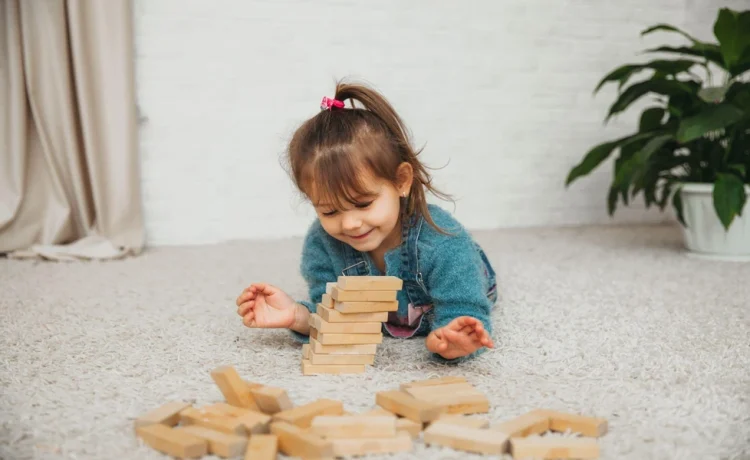
- Unstructured play is vital for developing cognitive flexibility and problem-solving skills in young children.
- Overburdening a child with back-to-back activities can lead to burnout and a lack of genuine interest in learning.
- Selecting a nursery school that prioritises organic discovery helps foster a natural curiosity about the world.
- Rest and downtime are essential components for physical growth and emotional regulation during the formative years.
Introduction
Raising a child in a fast-paced city often feels like a race to ensure they are ahead of every curve. Many parents believe that filling every hour with structured lessons is the only way to guarantee future success. Finding a balance between enrichment and rest is actually the most effective way to support a young learner. This is why it is often beneficial to enrol them in a nursery school that values a slower, more intentional pace of development.
The Loss of Creative Autonomy
When every minute of a child’s day is dictated by an adult-led schedule, the opportunity for imaginative play begins to vanish. Creativity is not something that can be forced through a series of rigid modules; it requires the freedom to be bored and the space to invent new games. Children who are constantly moved from one task to another rarely get to experience the flow of deep play, which is where true cognitive development happens. By stepping back from a packed calendar, you allow your toddler to take the lead in their own discovery. This self-directed exploration is a hallmark of the curriculum found at the best preschool in Singapore, where the environment is designed to provoke thought rather than just provide instructions.
Emotional Exhaustion and Burnout
It is a common misconception that toddlers have limitless energy that must be drained through constant activity. In reality, young children require significant periods of quiet to process the vast amount of information they absorb daily. A child who is overscheduled often becomes irritable, prone to tantrums, and may eventually lose their natural enthusiasm for new experiences. Providing a predictable yet flexible routine allows them to feel secure and well-rested. When they attend a nursery school, they benefit from a structured social environment that still respects the need for individual downtime. This balance ensures that they remain excited about their education instead of viewing it as an endless list of chores to complete.
Weakened Social Skills
Socialising is about more than just being in a room with other children; it involves navigating complex peer interactions without constant adult interference. If a child only interacts with others during highly coached sports or music classes, they miss out on the subtle art of negotiation and conflict resolution. Learning how to share, empathise, and cooperate happens most naturally during periods of free play. The best preschool in Singapore focuses on these interpersonal connections, allowing children to build friendships at their own speed. By reducing the number of external commitments, you give your child the time to apply these social lessons in various settings, making them more adaptable and confident in groups.
Conclusion
The urge to provide every possible advantage is understandable, yet the pressure of an overloaded schedule often does more harm than good. Real growth occurs in the quiet moments between activities, where a child can reflect on what they have seen and done. Choosing a nursery school that aligns with this philosophy ensures that your child is supported without being overwhelmed. Prioritising a childhood defined by joy and curiosity rather than a checklist of achievements will create a much stronger foundation for their future. Looking for the best preschool in Singapore involves finding a place that treats play as a serious and essential part of the curriculum.
Contact Raffles Kidz International to learn more about our holistic approach to early childhood education.