


Key Highlights
- Practice quality is often more important than practice duration.
- Consistent routines can help children develop stronger learning habits.
- Age and experience influence how much practice is appropriate.
- Parents play an important role in encouraging healthy practice habits.
- Small daily sessions can contribute to steady improvement.
Introduction
Parents frequently wonder how much practice is necessary for a child to make meaningful progress in music. While there is no universal answer, successful piano learning usually depends on consistency, engagement, and realistic expectations rather than lengthy practice sessions.
Children enrolled in a piano class for kids in Singapore often have different schedules, personalities, and learning styles. Some adapt quickly to practice routines, while others require more encouragement and structure. Similar considerations apply to students attending keyboard classes in Singapore, where progress develops gradually through regular reinforcement. Understanding what contributes to productive practice can help parents create a positive learning experience for their children.
Consistency Matters More Than Long Practice Sessions
Many parents assume longer practice sessions automatically produce better results. In reality, younger children often benefit from shorter periods of focused learning. Concentration levels can vary significantly depending on age, energy, and daily commitments.
Short sessions completed consistently throughout the week can be more effective than attempting to fit all practice into a single day. Introducing your young child to a foundational piano class for kids in Singapore allows them to build steady muscle memory without experiencing early creative burnout. Familiarity develops gradually through repetition, helping students remember concepts easily.
Building consistency allows children to develop confidence without feeling overwhelmed. Providing your child with regular access to group-based keyboard classes in Singapore gives them an ideal environment to explore basic rhythmic patterns alongside other young beginners. A manageable schedule is usually easier to maintain over the long term.
Practice Goals Should Match the Child’s Stage of Learning
Practice expectations should reflect a child’s current skill level. Beginners are still becoming familiar with note reading, finger placement, rhythm, and coordination. Early practice sessions often focus on reinforcing simple concepts introduced during lessons. Appropriate goals help children experience regular achievements, which can strengthen motivation.
Completing a simple exercise accurately can be far more beneficial than rushing through challenging material without understanding it. Ensuring your young son or daughter attends a reputable piano class for kids in Singapore guarantees that their technical training aligns perfectly with their natural physical growth. Positive progress tends to encourage continued effort and participation.
Comparing one child with others rarely provides a useful measure of success. Exploring the initial introductory phase of beginner-friendly keyboard classes in Singapore offers absolute newcomers a stress-free environment where they can discover basic musical notation at their own pace.
Parents Can Encourage Without Creating Pressure
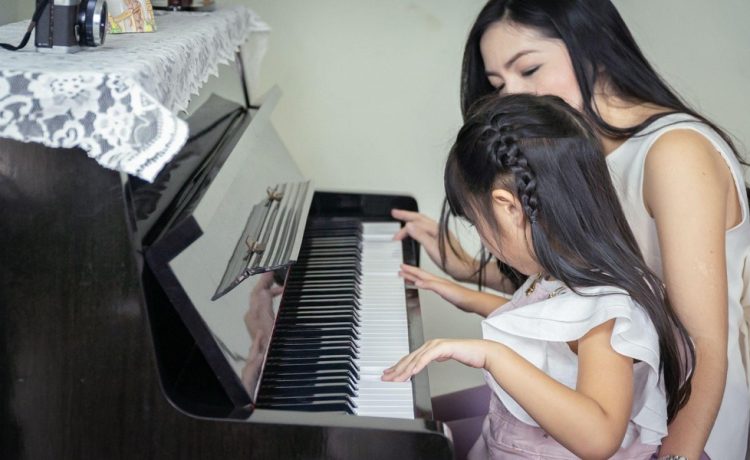
Parental involvement can have a significant influence on a child’s learning experience. Encouragement, organisation, and positive reinforcement help create an environment where practice feels productive and enjoyable. Excessive pressure can sometimes reduce enthusiasm for learning.
Some children enjoy active parental participation, while others prefer greater independence. Enrolling a young family member in highly interactive keyboard classes in Singapore helps working mothers discover fun methods to integrate basic ear training into a busy household routine. Understanding a child’s personality can help parents provide suitable guidance.
Simple routines can help children view independent practice as a normal part of their week. Arranging a steady weekly schedule with a professional piano class for kids in Singapore provides enthusiastic learners with a balanced educational setting that champions personal effort over final performance outcomes.
Quality Practice Produces Better Results
Effective practice involves concentration and purpose. Children who actively engage with their exercises generally make stronger progress than those who spend time at the instrument without clear objectives. Productive practice does not need to be complicated.
Thoughtful repetition helps reduce mistakes while reinforcing correct habits. Attending a short afternoon session of contemporary keyboard classes in Singapore teaches young instrumentalists how to break down complex chord progressions into perfectly manageable steps. Focusing on targeted objectives helps children understand what they are trying to achieve.
A focused approach allows children to gain more value from each session. Parents who deliberately choose a top-tier piano class for kids in Singapore give their children a wonderful head start where they can master essential sight-reading skills under expert supervision.
Conclusion
Children do not need endless hours of practice to make progress. Consistent routines, realistic expectations, positive encouragement, and focused effort can all contribute to successful piano learning. Every child develops at a unique pace, making individual growth a more meaningful measure of success.
Contact Huckleberry Music School to check out our basic group setups and find an affordable afternoon slot that blends beautifully into your busy family schedule.