


Key Takeaways
- Student behaviour often shifts between structured classroom environments and one-on-one online settings.
- Chinese tuition typically enforces discipline through peer presence and fixed routines.
- Online tutors in Singapore create more personalised interaction, which can increase participation but reduce formality.
- Differences in attention, confidence, and accountability are shaped by the environment, not just teaching quality.
- Parents and educators should match format to the student’s learning temperament rather than assuming one is superior.
Introduction
Student behaviour is not fixed; it is shaped by context. That said, when comparing Chinese tuition in Singapore with sessions led by online tutors, the difference is not only about delivery format but also about how students respond to structure, authority, and social presence. Behavioural shifts can influence participation, retention, and ultimately academic outcomes. Knowing these differences helps parents and educators choose a format that aligns with how a student learns and engages.
Classroom Dynamics in Chinese Tuition Centres
Chinese tuition in Singapore typically operates in a structured, group-based environment. Students are expected to follow a set pace, adhere to classroom rules, and respond when called upon. This environment creates a form of external accountability. The presence of peers introduces both pressure and motivation. Some students become more attentive because they do not want to fall behind or appear disengaged, while others may withdraw if they feel less confident.
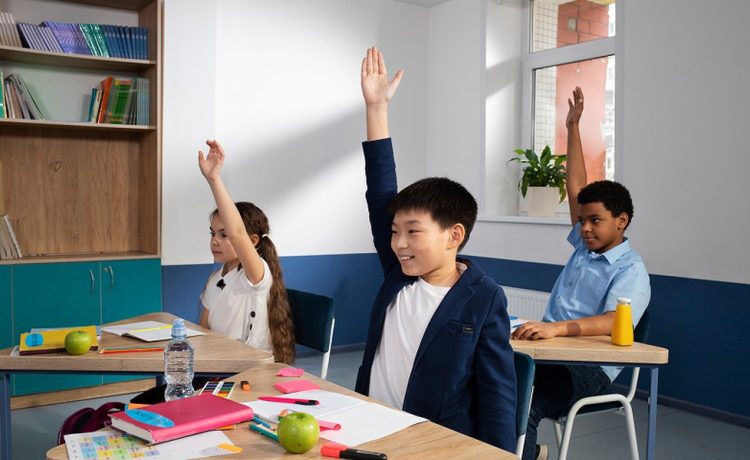
Behaviour in this setting is often more formal. Students raise their hands, wait for turns, and follow instructions collectively. Discipline is reinforced not only by the tutor but also by the group dynamic. However, participation can be uneven. More vocal students tend to dominate discussions, while quieter students may remain passive. This situation does not necessarily reflect understanding; it reflects comfort within a group setting. Due to this, behaviour in tuition centres often prioritises compliance and routine over individual expression.
One-on-One Engagement with Online Tutors
Online tutors typically operate in smaller formats, often one-on-one. This approach removes the group dynamic and shifts attention entirely to the individual student. Behaviour in this setting tends to be less formal but more interactive. Students are more likely to ask questions, attempt answers, and engage in dialogue because the perceived risk of embarrassment is lower.
Additionally, without peer comparison, students who are usually quiet in class may become more responsive. Tutors can adjust pacing in real time, which reduces frustration and disengagement. However, this environment also relies heavily on intrinsic motivation. After all, without the structure of a classroom, some students may become distracted or less disciplined, especially in a home setting where supervision varies.
The informal nature of online sessions can blur boundaries. Students may speak more casually or lose focus if the session lacks a clear structure. Effective online tutors compensate by establishing routines and maintaining consistent expectations, but the behavioural tone remains more flexible compared to physical classes.
Attention, Confidence, and Participation
Attention levels differ significantly between the two formats. Attention in Chinese tuition is often sustained through collective pacing and direct supervision. Students follow along because the class moves as a unit. In contrast, online tutors in Singapore must actively manage attention through engagement techniques, as distractions are more accessible in a home environment.
Confidence also shifts depending on the setting. Group environments can suppress participation among less confident students, while one-on-one sessions tend to encourage them to speak more freely. This instance leads to higher visible participation online, although it does not automatically translate to better discipline or consistency.
Participation in tuition centres is structured but limited by time and group size. Online sessions allow continuous participation but depend on the student’s willingness to engage. Behaviour, therefore, becomes a reflection of both the environment and the student’s personality.
Accountability and Learning Habits
Accountability in Chinese tuition is externally driven. Fixed schedules, homework expectations, and peer comparison create a system where students are monitored and guided. This approach supports habit formation but may not address individual weaknesses effectively.
Meanwhile, with online tutors, accountability becomes more personalised. Tutors can track progress closely and adapt lessons, but the absence of a formal environment means students must take greater responsibility for their own behaviour. This situation can either strengthen independence or expose gaps in discipline.
Conclusion
Students do behave differently depending on whether they are in Chinese tuition in Singapore or working with online tutors. Classroom settings reinforce structure and discipline, while online sessions encourage interaction and individual expression. Neither format is inherently better. The more relevant question is which environment supports the student’s behavioural tendencies and learning needs. Matching the format to the student is what ultimately determines effectiveness.
Contact LingoAce and test which learning system actually works for your child.