


Key Takeaways
- Outdoor play builds physical confidence and coordination, which supports classroom tasks such as writing, sitting, and group activities.
- Social interactions outdoors encourage communication, turn-taking, and Mandarin language use in a relaxed, action-based setting.
- Nature-based activities introduce early science concepts and expand vocabulary through real-world observation and discussion.
- Outdoor routines help children regulate emotions and improve focus when they transition back to indoor learning activities.
Introduction
Parents in Singapore may notice that their children seem calmer and more talkative after time outdoors, yet schedules sometimes limit outdoor sessions in preschool. In a Chinese immersion preschool, outdoor play often happens alongside Mandarin songs, instructions, and peer conversations, which link movement with language use. Families choosing a programme sometimes focus on worksheets and indoor lessons, while outdoor play may seem like a break. Parents can see how daily time outside supports physical, social, and language development within a structured routine when they know why outdoor play matters. Programmes schedule outdoor blocks daily, and teachers supervise closely, helping parents weigh structure against flexibility.
1. Building Physical Confidence Through Movement
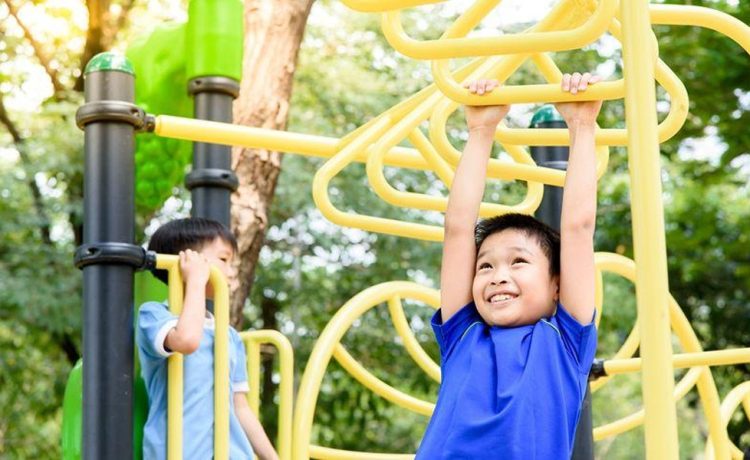
Outdoor spaces provide children with room to run, climb, balance, and pedal. These movements strengthen muscles and coordination, which affects how children sit, hold pencils, and manage classroom tasks. In a Chinese immersion preschool, teachers often give simple Mandarin instructions during obstacle courses or ball games, which ties action to language. Children learn words for directions, body parts, and safety cues while moving. Parents may notice children attempting new playground challenges, which reflects growing confidence rather than reckless behaviour. They also learn to judge distances and follow group signals, which supports coordination during indoor tasks and group projects later.
2. Social Interaction Beyond Classroom Walls
Outdoor play changes how children interact with peers. Group games, sand pits, and shared equipment require turn-taking and negotiation. In a Chinese immersion preschool, teachers encourage children to use Mandarin phrases to invite others, share tools, or set rules. This setting often reduces pressure compared with indoor circle time, helping quieter children join conversations through action. Parents sometimes hear playground phrases repeated at home, which shows how outdoor interactions extend language practice. Teachers rotate partners to broaden peer contact, which exposes children to varied speaking styles and encourages inclusive behaviour during shared tasks.
3. Curiosity And Early Science Through Nature
Gardens, insects, and water tables invite questions that feel different from picture books. Children observe ants, collect leaves, and notice changes in the weather. Teachers label objects and ask questions in Mandarin, which connects vocabulary to real experiences. Outdoor play in a Chinese immersion preschool often includes simple planting or measuring rainfall, which introduces early science concepts without formal lessons. Children describe discoveries to classmates, which strengthens descriptive language and attention. Simple tools like magnifiers and measuring cups make abstract ideas tangible and prompt questions that teachers can revisit indoors.
4. Emotional Regulation And Focus
Spending time outdoors can shift mood and energy levels. Physical activity helps children release tension and return indoors more ready to concentrate. Teachers use outdoor routines, such as lining up or breathing before re-entering class, to practise self-control. In a Chinese immersion preschool, these routines often include Mandarin cues, which connect emotions and actions with language. Parents may notice fewer restlessness issues after outdoor days, which influences how children engage with quieter activities, helping children practise waiting, listening, and calming strategies that translate into smoother group participation.
5. Linking Outdoor Experiences With Classroom Learning
Teachers often bring outdoor discoveries back into the classroom through drawings, charts, and storytelling. Children recount games, weather, or garden tasks, which connect memory with language practice. In a Chinese immersion preschool, teachers may revisit outdoor vocabulary during reading or writing activities, reinforcing meaning through multiple contexts. Parents reviewing portfolios can see how outdoor play feeds into art, numeracy, and literacy tasks, rather than existing as a separate break. Class discussions after outdoor time often include sequencing events, which strengthens memory and narrative skills across both Mandarin and English contexts.
Conclusion
Parents sometimes expect outdoor time to be unstructured play that sits outside the formal curriculum, yet teachers often plan these sessions carefully. Children may return indoors muddy or tired, which can feel chaotic to families who value tidy classrooms. Outdoor play in a Chinese immersion preschool still follows routines, language cues, and learning goals, even when activities look spontaneous. This gap between expectation and practice can help parents interpret reports and conversations with greater confidence. It also shows how outdoor experiences support movement, communication, and focus through repeated, everyday experiences rather than formal lessons alone.
Visit Orange Tree Preschool to learn more about outdoor play in a Chinese immersion preschool.